Blog

INTERVIEW WITH THE AUTHOR – THE NORDIC9 STUDY

2024-05-23T14:57:28+02:00

INTRODUCTION Colorectal cancer is responsible for the second highest mortality among all cancer types and primarily affects adults aged 70 years or older. Due to the aging global population, the number of older adults with cancer, including colorectal cancer, is rapidly increasing. Although the majority of patients with metastatic colorectal cancer (mCRC) are older than 70 years, there are very few clinical trials specifically focused on this large patient group. The investigator-initiated randomized phase II NORDIC9-study prospectively assessed an approach for older patients with mCRC who were not considered candidates for full-dose combination treatment, comparing reduced-dose combination therapy to full-dose single-agent chemotherapy. NORDIC9 included 160 patients from four Nordic countries between March 2015 and October 2017. The study established that reduced-dose combination chemotherapy resulted in significantly prolonged progression-free survival, with a trend towards prolonged overall survival, fewer toxicities, and fewer hospital admissions compared to full-dose monotherapy. Additionally, patients receiving reduced-dose [...]

INTERVIEW WITH THE AUTHOR – THE NORDIC9 STUDY2024-05-23T14:57:28+02:00

INTERVIEW WITH THE AUTHOR – THE ECOOL STUDY

2023-10-16T12:20:46+02:00

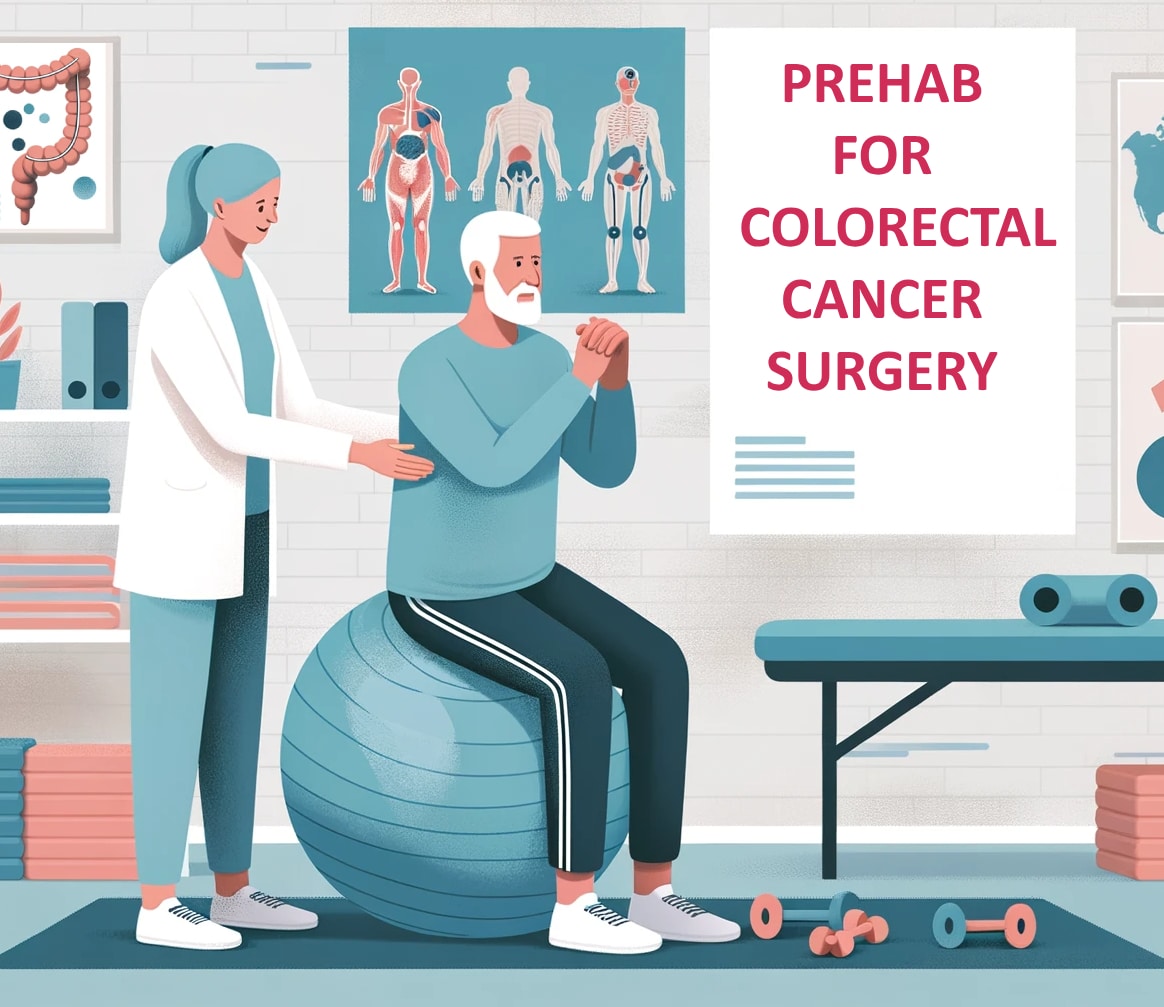
BRIEF DESCRIPTION OF THE AUTHORS:  Angela Macias Valle PhD student in Physical Activity and Sport Sciences, Universidad Politécnica de Madrid, Spain.   Colm Mac Eochagain Fellow in Geriatric Oncology St James’ Hospital, Dublin, Ireland   BACKGROUND Surgery and treatment for colorectal cancer (CRC) in the elderly patient increases the risk of developing post-operative complications, loss of functional independence, and worsening health-related quality of life (HRQoL). There is a lack of high-quality randomized controlled trials evaluating the potential benefit of exercise as a countermeasure. The primary aim of the ongoing ECOOL study is to evaluate the effectiveness of a home-based multicomponent exercise program for improving HRQoL and functional capacity in older adults undergoing CRC surgery and treatment. We spoke with the principal author of this important study, to discuss the study's design, objectives, and the implications it might have for the treatment of colorectal cancer in the elderly population. QUESTIONS: What [...]

INTERVIEW WITH THE AUTHOR – THE ECOOL STUDY2023-10-16T12:20:46+02:00

Introducing the Latest GerOnTe Project Newsletter: Enhancing Well-being for Older Multimorbid Patients

2023-10-11T15:04:37+02:00

GerOnTe is a 5-year research and innovation project (April 2021 to March 2026) funded by the European Union within the H2020 Research and Innovation Programme framework. Streamlined Geriatric and Oncological evaluation based on IC Technology for holistic patient-oriented healthcare management for older multimorbid patients The GerOnTe Project aims to improve quality of life – defined as well-being on three levels: global health status, physical functioning and social functioning- for older multimorbid patients while reducing overall care costs. To this end, GerOnTe is co-designing, testing, and preparing to deploy an innovative, cost-effective, patient-centred holistic health management system. This edition of the Newsletter includes: Updates from the research centre partners. Team publication information. Learn more about the project itself. And so much more.   View the latest GerOnTe Project Newsletter. More information about SIOG's stake in the GerOnTe Project. General information about the GerOnTe Project. 

Introducing the Latest GerOnTe Project Newsletter: Enhancing Well-being for Older Multimorbid Patients2023-10-11T15:04:37+02:00

Medication assessment in older adults with cancer – Current practices in clinical pharmacy

2023-08-17T18:13:44+02:00

INTRODUCTION Clinical pharmacists, especially those working in oncology settings, play a pivotal role in medication management for older adults with cancer. Clinical pharmacists conduct structured medication assessments, which can include adverse effect assessment, interaction assessments, adherence monitoring, medication reconciliation, and in certain jurisdictions, prescribing and deprescribing. Pharmacists offer the Geriatric Oncology MDT suggestions to enhance medication safety, taking multiple factors into consideration, including the patient's age, comorbidities, and factors influencing drug metabolism and elimination. The SIOG Nursing and Allied Health Interest Group have recently published a perspective paper highlighting the role of clinical pharmacists in geriatric oncology[1]. We sat down with the lead author, Darren Walsh, pharmacist in University Hospital Waterford (Ireland) to discuss the growing recognition of clinical pharmacy as a key component of a wider multidisciplinary team within Geriatric Oncology. Roles and Responsibilities of Clinical Pharmacists Could you discuss the roles and responsibilities of clinical pharmacists in a [...]

Medication assessment in older adults with cancer – Current practices in clinical pharmacy2023-08-17T18:13:44+02:00

Interview with the Author – The Climb Study: Endocrine Therapy in Older Women with Breast Cancer

2023-06-01T13:18:42+02:00

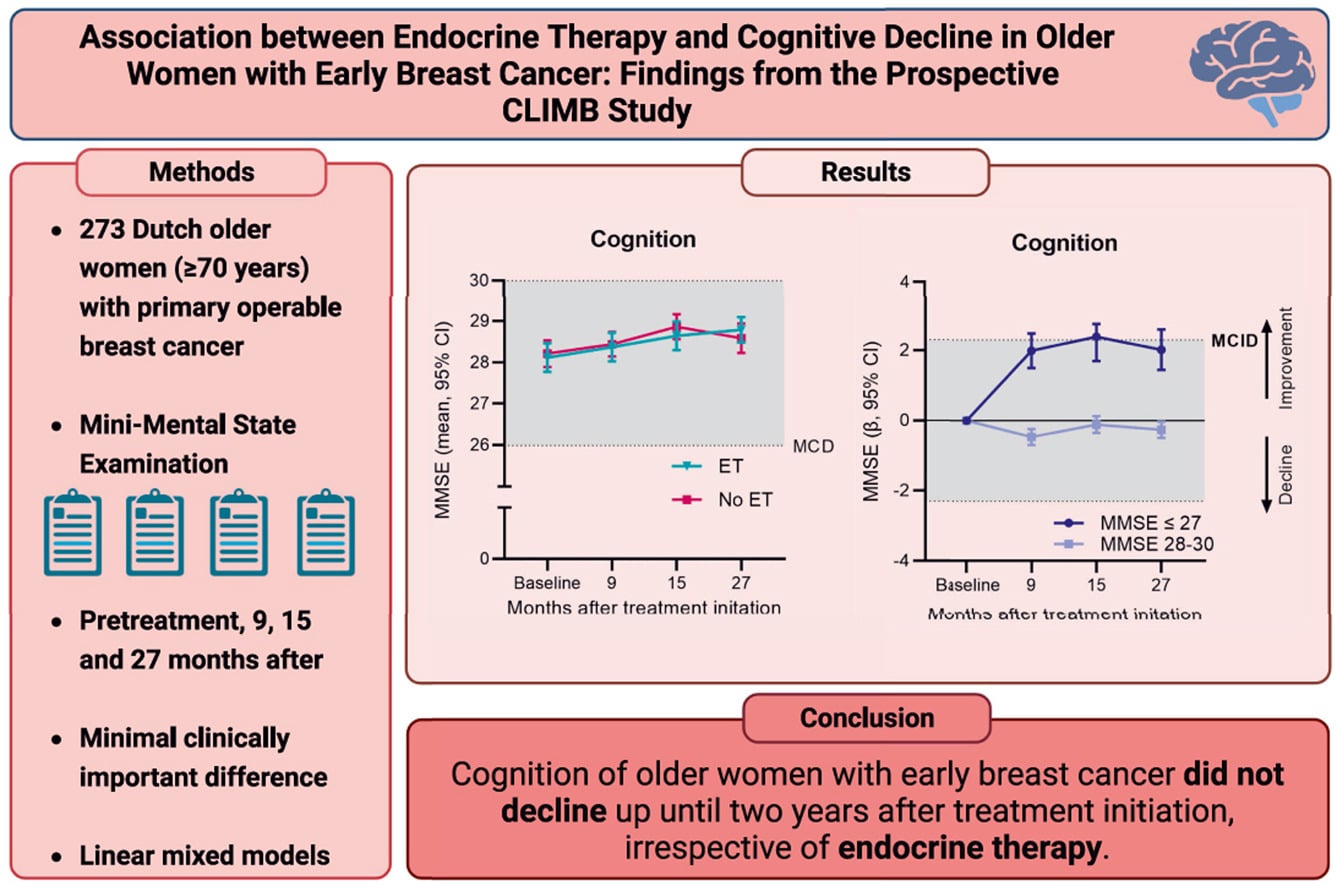
The CLIMB Study Breast cancer remains a significant health concern for older women, who account for appoximately 50% of those diagnosed with the condition. Older patients often have reduced physiological reserve and clinically significant comorbidities, and are more susceptible to both undertreatment and to overtreatment, as well as being more likely to experience treatment toxicity and early discontinuation of therapy. Around 70-80% of breast cancers are categorized as estrogen-receptor (ER) positive. Regardless of the disease stage or setting, a majority of patients diagnosed with ER+ cancers are likely, at some point during their treatment course, to be treated with endocrine therapy (ET), which works to block or prevent estrogen signaling, and is typically taken for between five to ten years in the adjuvant setting. In general, ET comes in one of two forms, either aromatase inhibitors (AI), such as exemestane and letrozole, or selective estrogen receptor modulators (SERMs) such as [...]

Interview with the Author – The Climb Study: Endocrine Therapy in Older Women with Breast Cancer2023-06-01T13:18:42+02:00

5 minutes with the author: The impact of the Modified Frailty Index on clinical outcomes for patients with stage IV non-small cell lung cancer receiving chemotherapy

2022-09-07T07:54:36+02:00

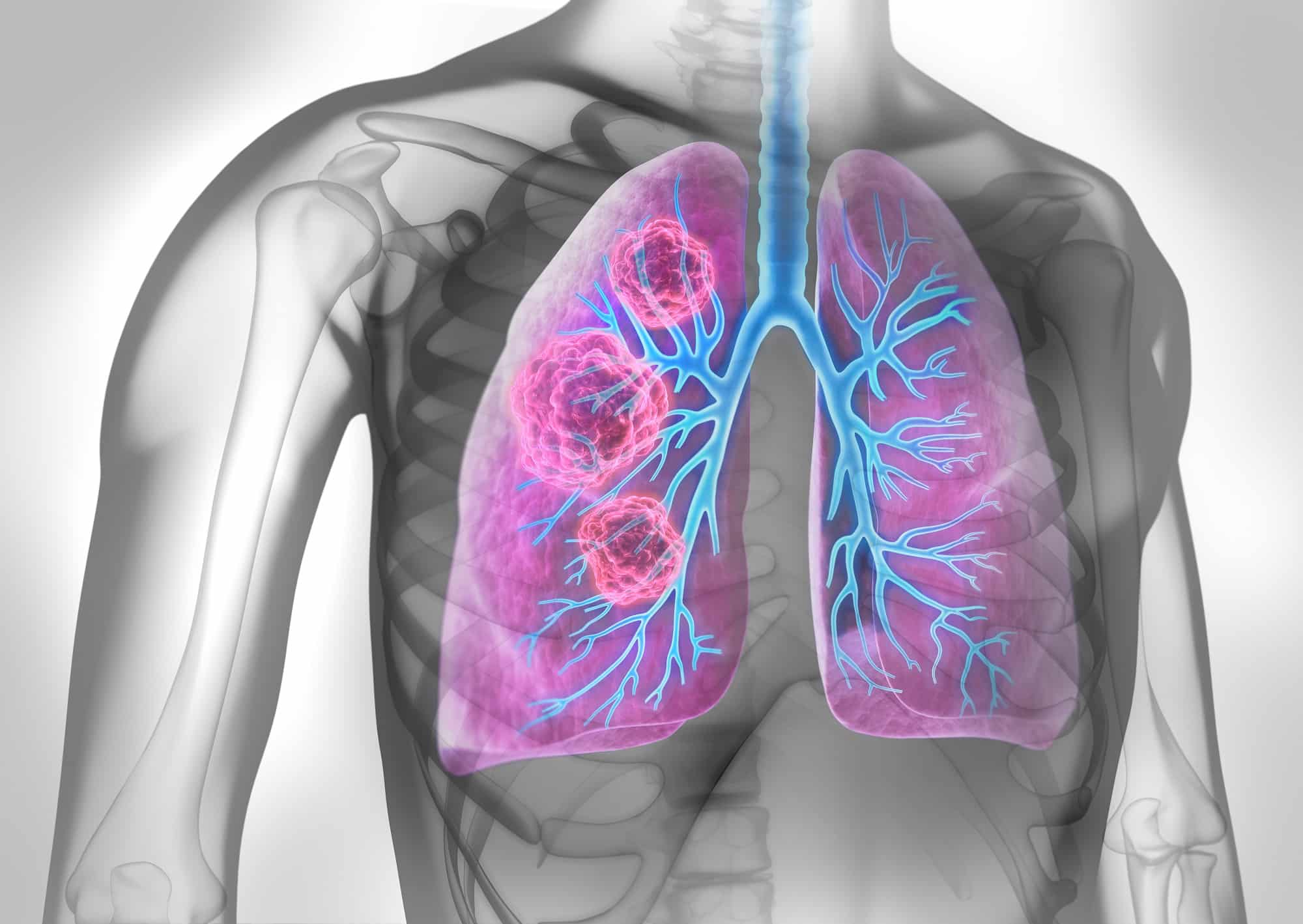
September 5, 2022  Is the Modified Frailty Index useful in patients with metastatic lung cancer?   Frailty involves the impairment of physiologic reserve and ability to maintain homeostasis following a stressor. It is a poor prognostic factor in adults with cancer, but the method used to define frailty has been a moving target.1 In research settings, different definitions used include the phenotypic Fried criteria, a deficit accumulation model defined by a frailty index, or deficits on a comprehensive geriatric assessment.2,3,4 Each of these definitions has integration challenges in a clinical setting. The Modified Frailty Index (mFI) is a brief tool that correlates with post-operative morbidity and mortality in surgical populations.5,6,7 The importance of frailty in patients with metastatic non-small cell lung cancer (NSCLC) receiving chemotherapy remains unclear and the correlation of the mFI with outcomes in this population was unknown. As part of a project [...]

5 minutes with the author: The impact of the Modified Frailty Index on clinical outcomes for patients with stage IV non-small cell lung cancer receiving chemotherapy2022-09-07T07:54:36+02:00

Just in case your patient cannot answer your questions: Screening for severe sarcopenia-related functional impairments with the proxy-reported version of the SARC-F questionnaire

2022-06-22T08:20:45+02:00

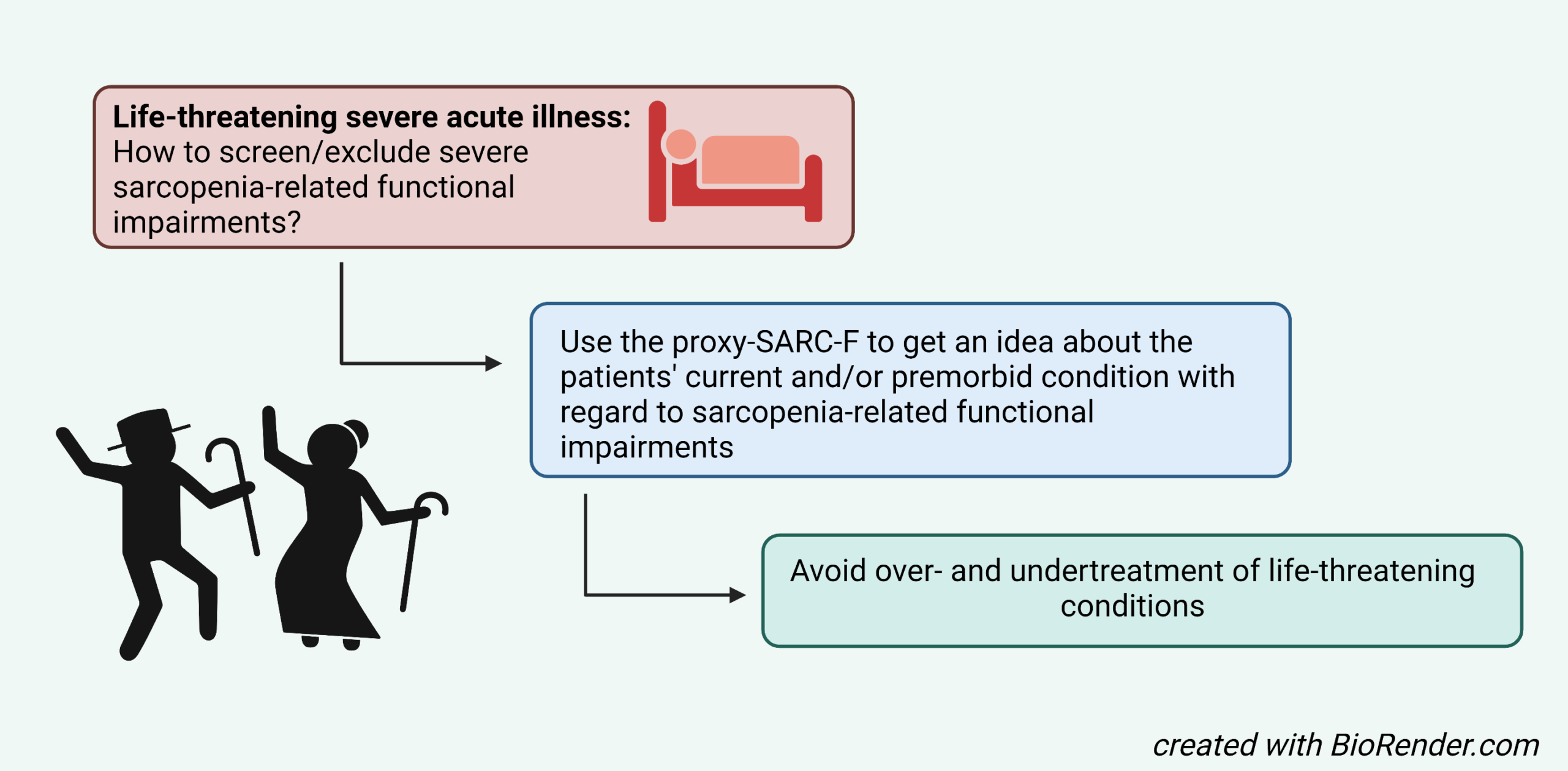
June 20, 2022 Journal of Cachexia, Sarcopenia, and Muscle - 2022 Feb;13(1):264-275. doi: 10.1002/jcsm.12871. Sarcopenia is a progressive loss of muscle function and mass that is mostly related to aging [1]. Due to sarcopenia’s adverse outcomes in several conditions, diagnosis and integration into treatment plans is highly recommended [1]. In the care of older adults, cognitive impairment, functional decline, or acute life-threatening medical conditions, such as severe pneumonia, myocardial infarctions, or highly proliferative hematological conditions can preclude patients from self-reported assessment. In addition, a severe acute condition can lead to a massive functional decline within a short time-frame. Thus, physical resilience can be underestimated if a superior premorbid condition is not known to the treating physician. To overcome these barriers, the authors aimed to validate the SARC-F questionnaire, a broadly used screening questionnaire for severe sarcopenia-related functional impairments [2], for the use of proxy-reported information [...]

Just in case your patient cannot answer your questions: Screening for severe sarcopenia-related functional impairments with the proxy-reported version of the SARC-F questionnaire2022-06-22T08:20:45+02:00

5 minutes with the author of international trends in cancer incidence in middle-aged and older adults in 44 countries

2022-03-22T14:29:29+01:00

March 22, 2022 Journal of Geriatric Oncology - 2021 Dec 2;S1879-4068(21)00257-5. doi: 10.1016/j.jgo.2021.11.01 Author : Sophie Pilleron, Nuffield Department of Population Health, Big Data Institute, University of Oxford, Oxford, UK. Editor : Janine Capobiango Martins, Prevent Senior Brazil The description of cancer burden in older people at international level is quite recent. For a long time, cancer incidence and mortality have been described for all ages combined masking differences across age groups. Recently, trends in cancer incidence were described in children and young adults was published but not in older people, that we defined as people aged 65+. Monitoring incidence rates over time is, however, important to assess the impact of cancer control measures and to ensure sufficient and appropriate resources to manage cancer in older people. The authors aimed to describe trends in the incidence of all cancers combined (excluding non-melanoma skin cancer) in adults [...]

5 minutes with the author of international trends in cancer incidence in middle-aged and older adults in 44 countries2022-03-22T14:29:29+01:00

Wearable sensors and at-home biospecimen collection supports older adults participation in clinical trials

2022-01-31T08:06:53+01:00

Older adults are underrepresented in cancer clinical trials1,2. Though some are excluded due to having more comorbidities than their younger counterparts, others decline participation because of an already high healthcare burden.

Wearable sensors and at-home biospecimen collection supports older adults participation in clinical trials2022-01-31T08:06:53+01:00
Go to Top